

The April 14 Statistical Impossibility.
- April 14, 1840: Isabella Stewart Gardner’s birthday
- April 14, 1975: Museum of Fine Arts in Boston Heist
- April 14, 1976: Palm Beach Towers Heist
- April 14, 1991: Van Gogh Museum Heist
Who is Isabella Stewart Gardner?
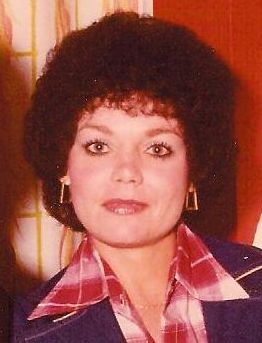
THE WITNESS THEY CHOSE TO IGNORE.
For over 30 years, the evidence provided by this witness has been ‘managed into a mystery’ by those hired to protect billionaire assets. Her journey takes a ‘Flea Market Art Story’ from its humble beginnings all the way to the halls of Harvard. After 15 years of public claims and zero legal rebuttals, her testimony is no longer just a narrative—it is an unrefuted forensic record.
Click the images below to view them as booklets
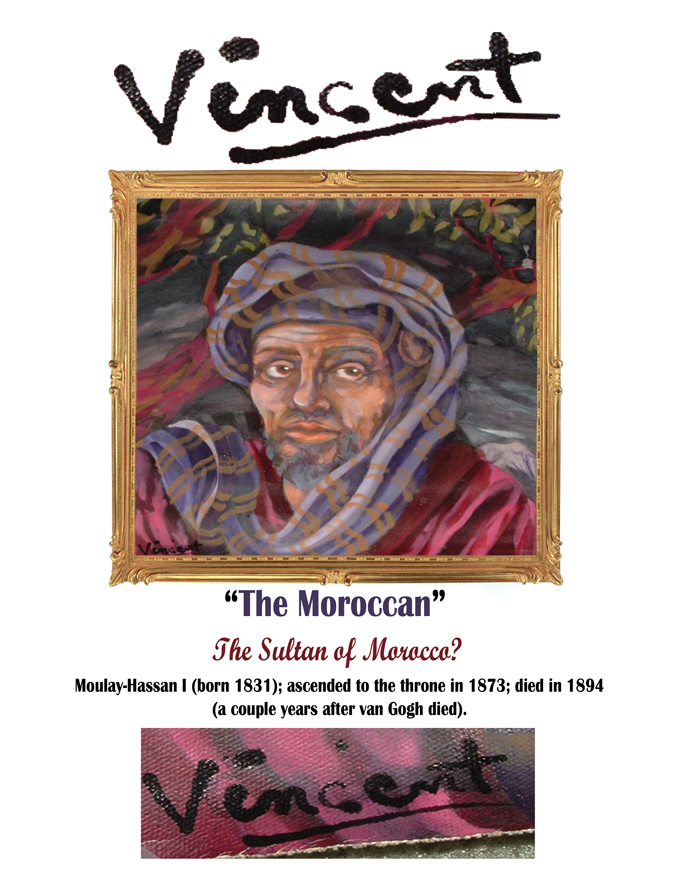
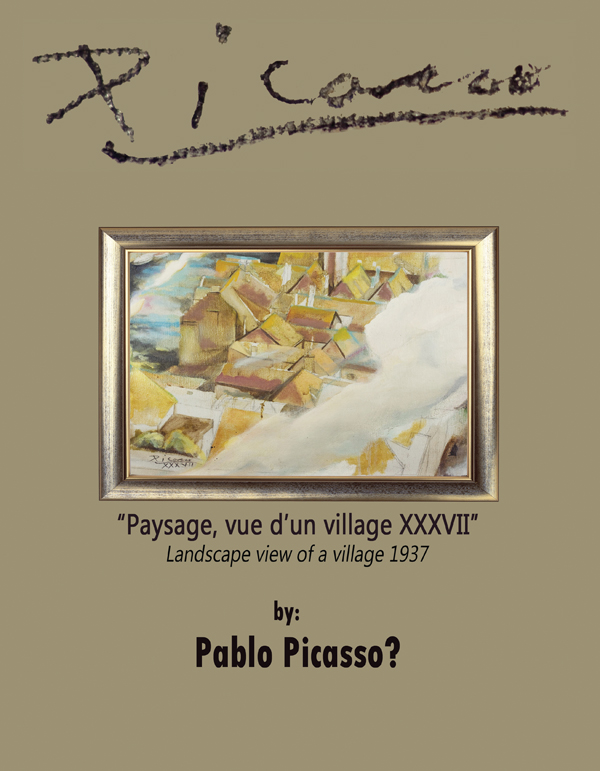
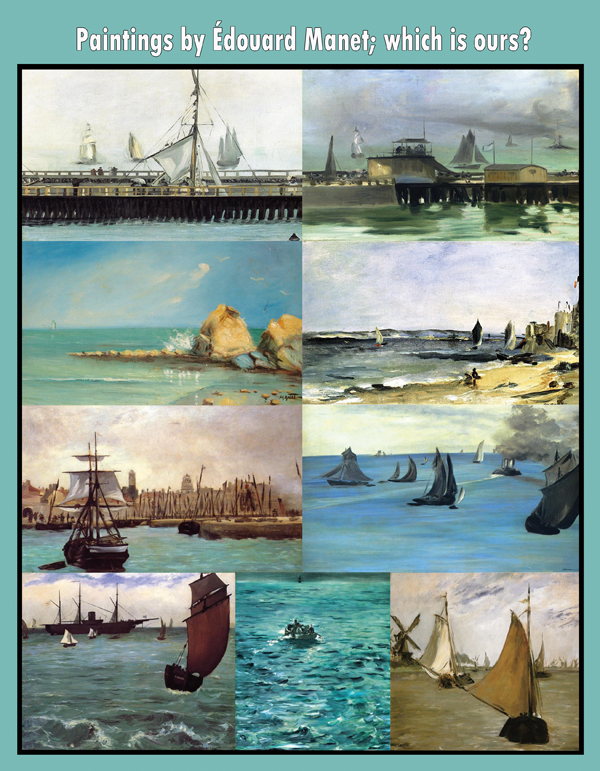
It is no coincidence that a man of Dutch heritage targeted and stole the world's most precious Dutch masterpieces.
Below is the full (and growing list) of Connections/Evidence.
Primary Witness Encounters (1991–1992): Documented chronological timeline of the physical interactions and asset transfers between the primary witness and the subject. [Exhibit: Primary Witness Testimony & Transfer Records]
Forensic Asset Inventory:
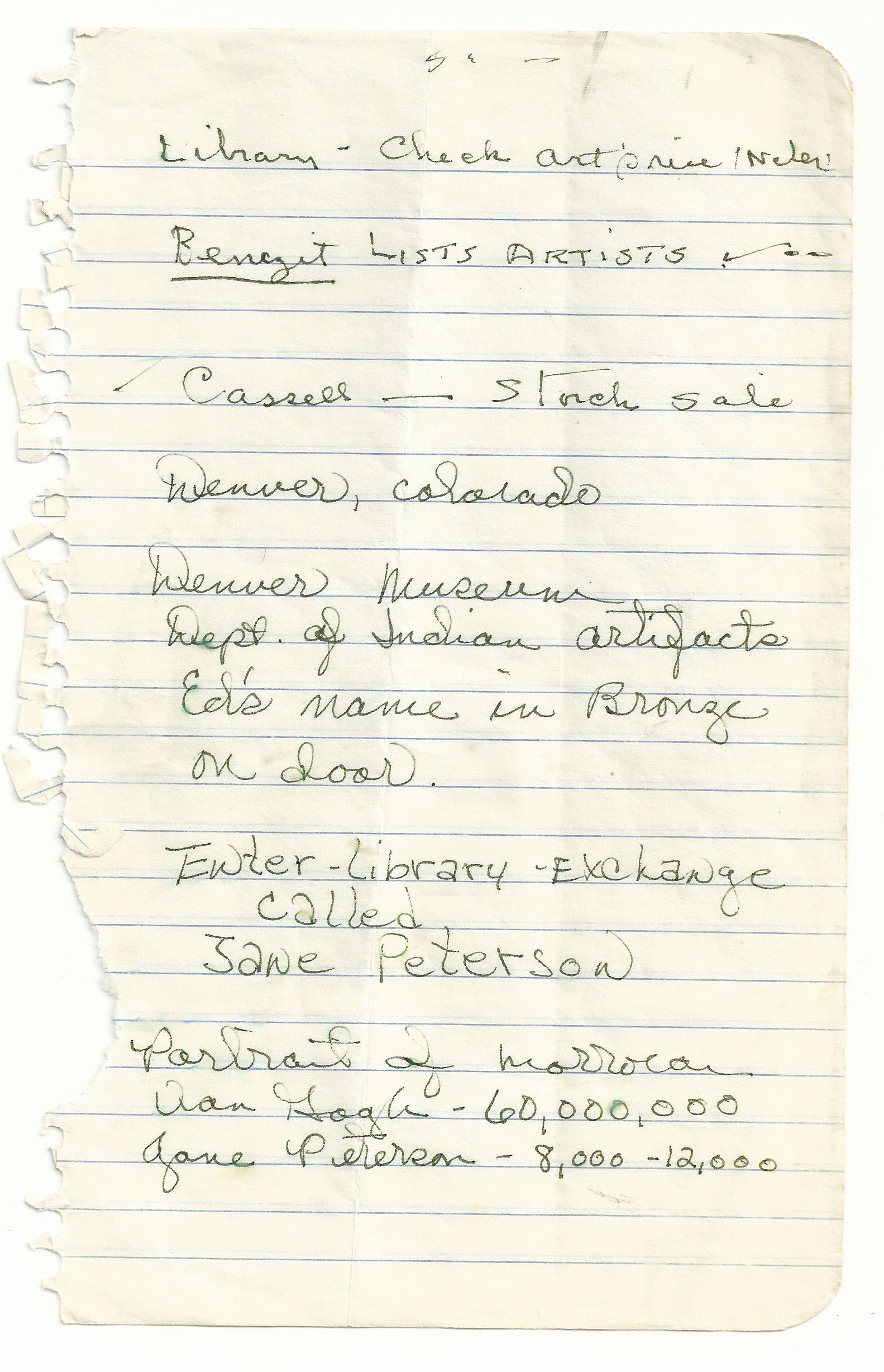
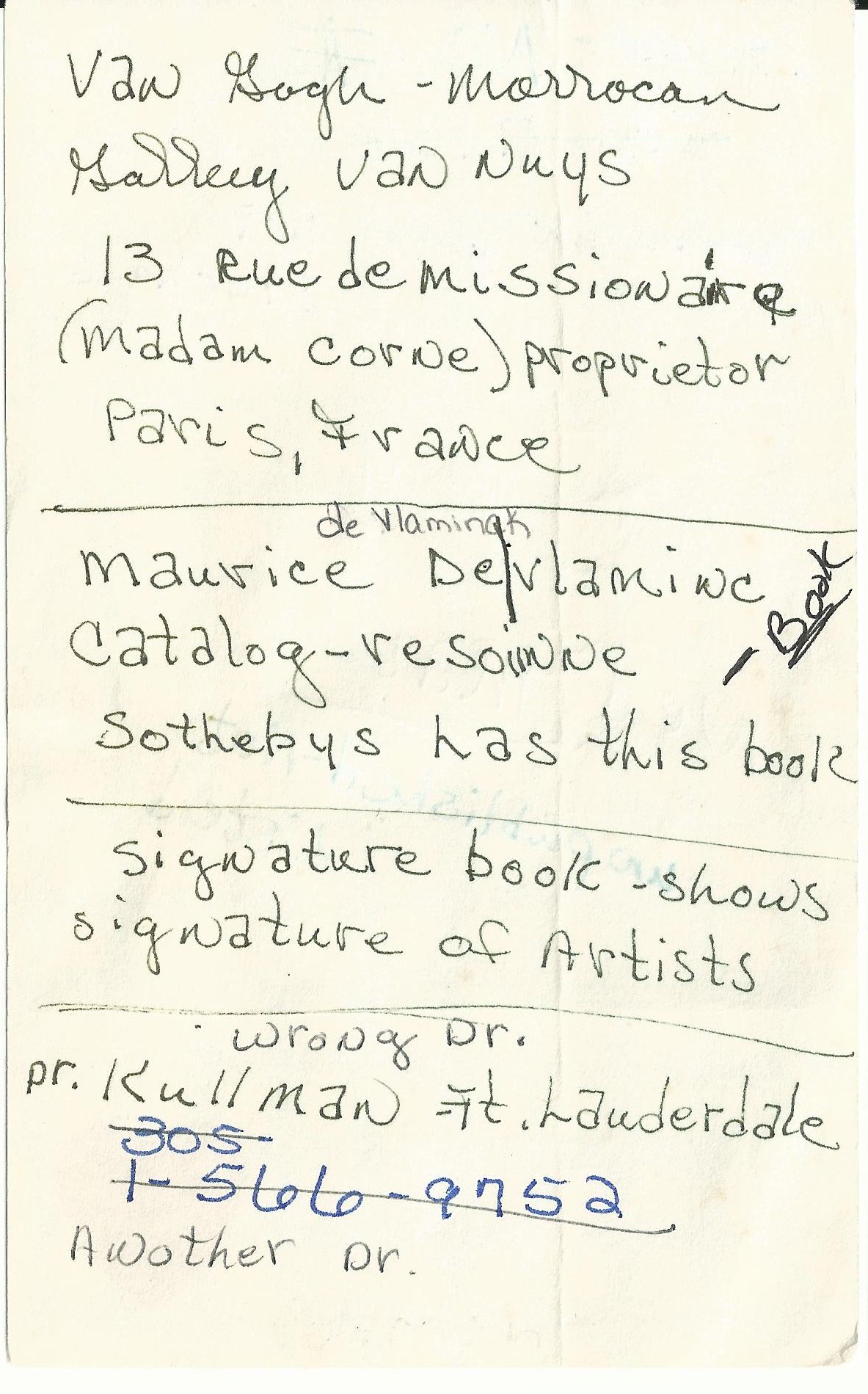
Vincent Van Gogh: Contemporaneous provenance notes trace directly to “The Sultan of Morocco” and “Gallery Van Nuys (Paris).” Additional restoration and Miami transit connections documented. [Review Asset Dossier: Van Gogh]
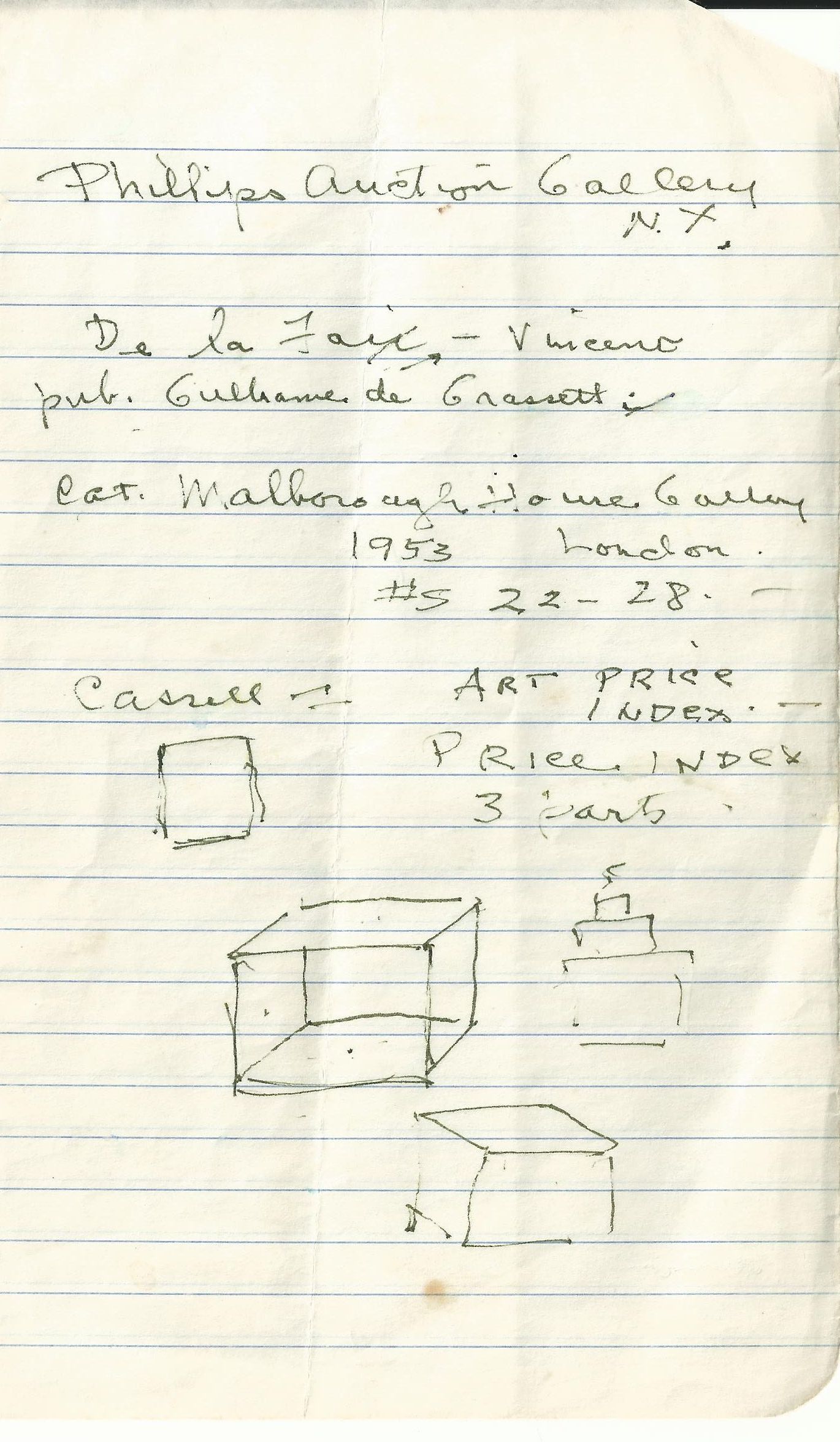
Pablo Picasso: Portfolio includes 1 painting, 1 ink, 1 pencil, and 1 unclassified piece. Historical tracing maps directly to the H. Leed collection, Frick Library records, and a documented 1953 Marlborough House Gallery auction catalog. [Review Asset Dossier: Picasso]
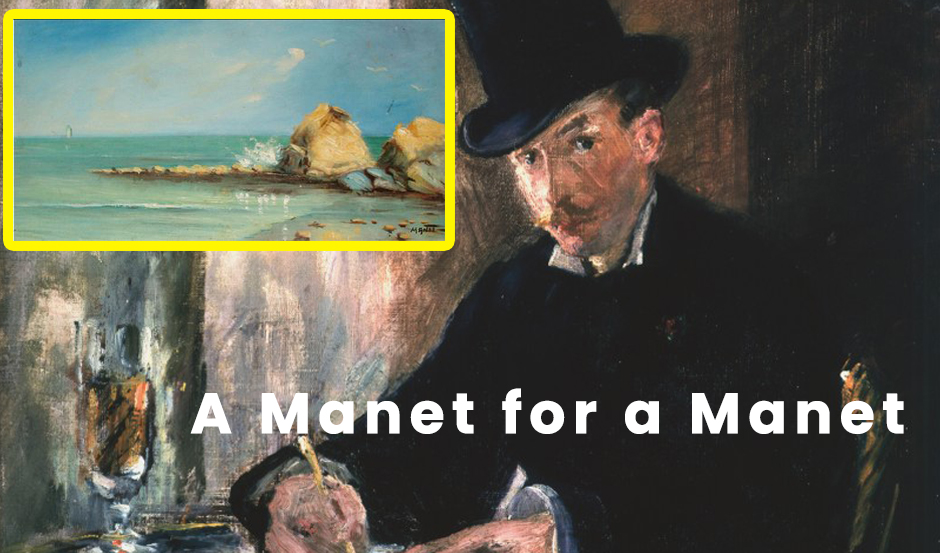
Édouard Manet: [Review Asset Dossier: Manet]
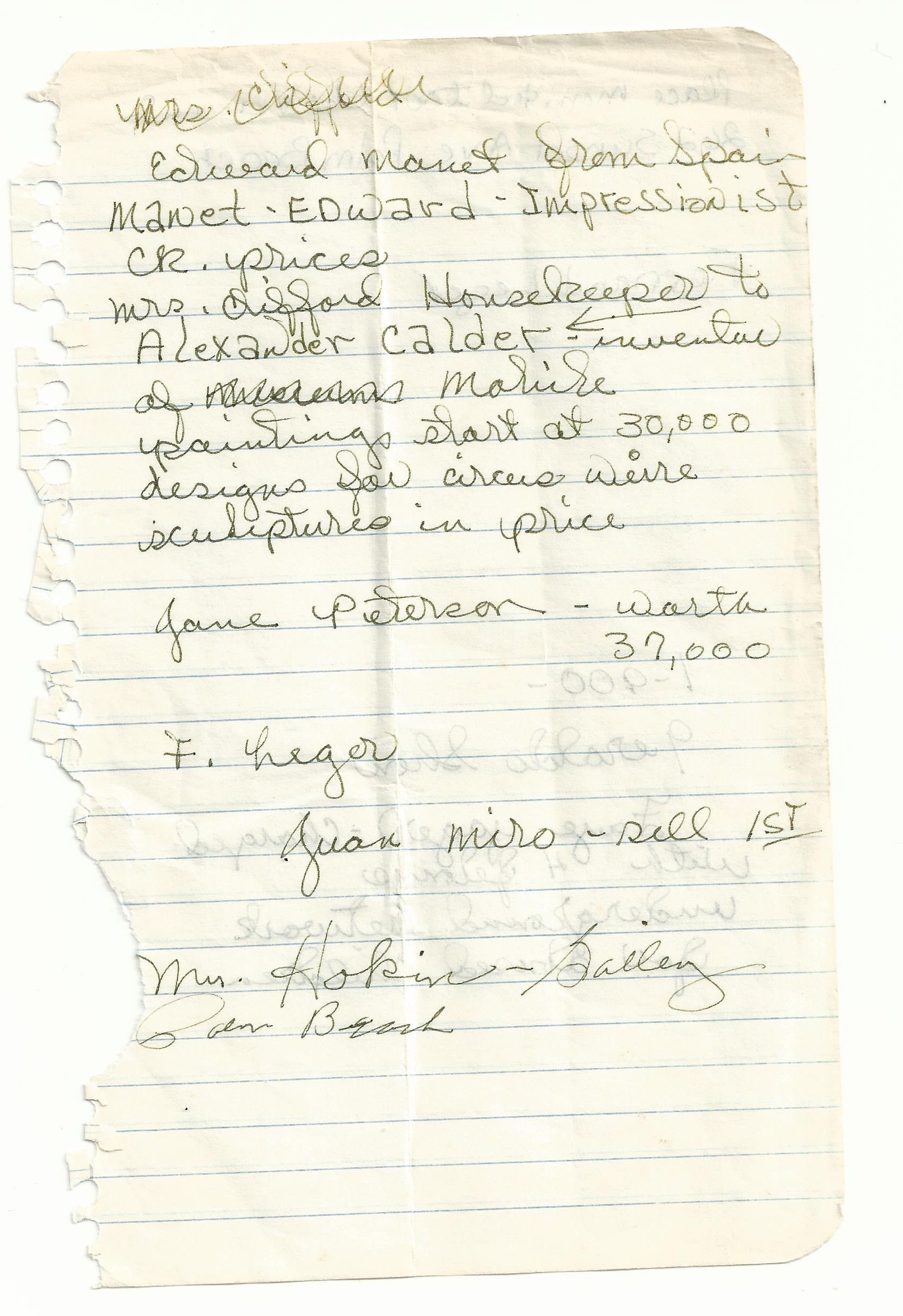
Alexander Calder: 5 pieces (pen, pencil, ballpoint). Ink dating confirmed. Provenance is anchored by recovered contemporaneous notes citing Palm Beach (“Hokin Gallery”) and specific household staff (“Mrs. Clifford”). [Review Asset Dossier: Calder]
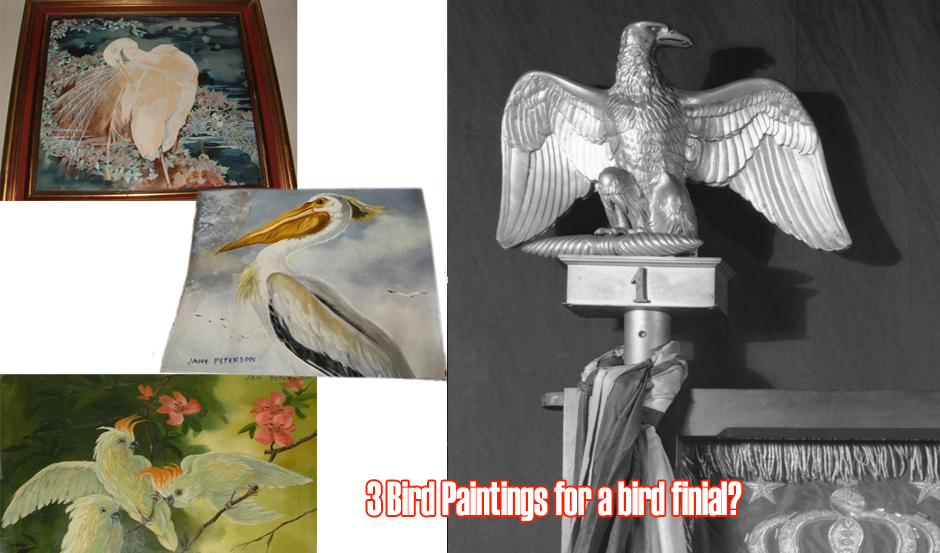
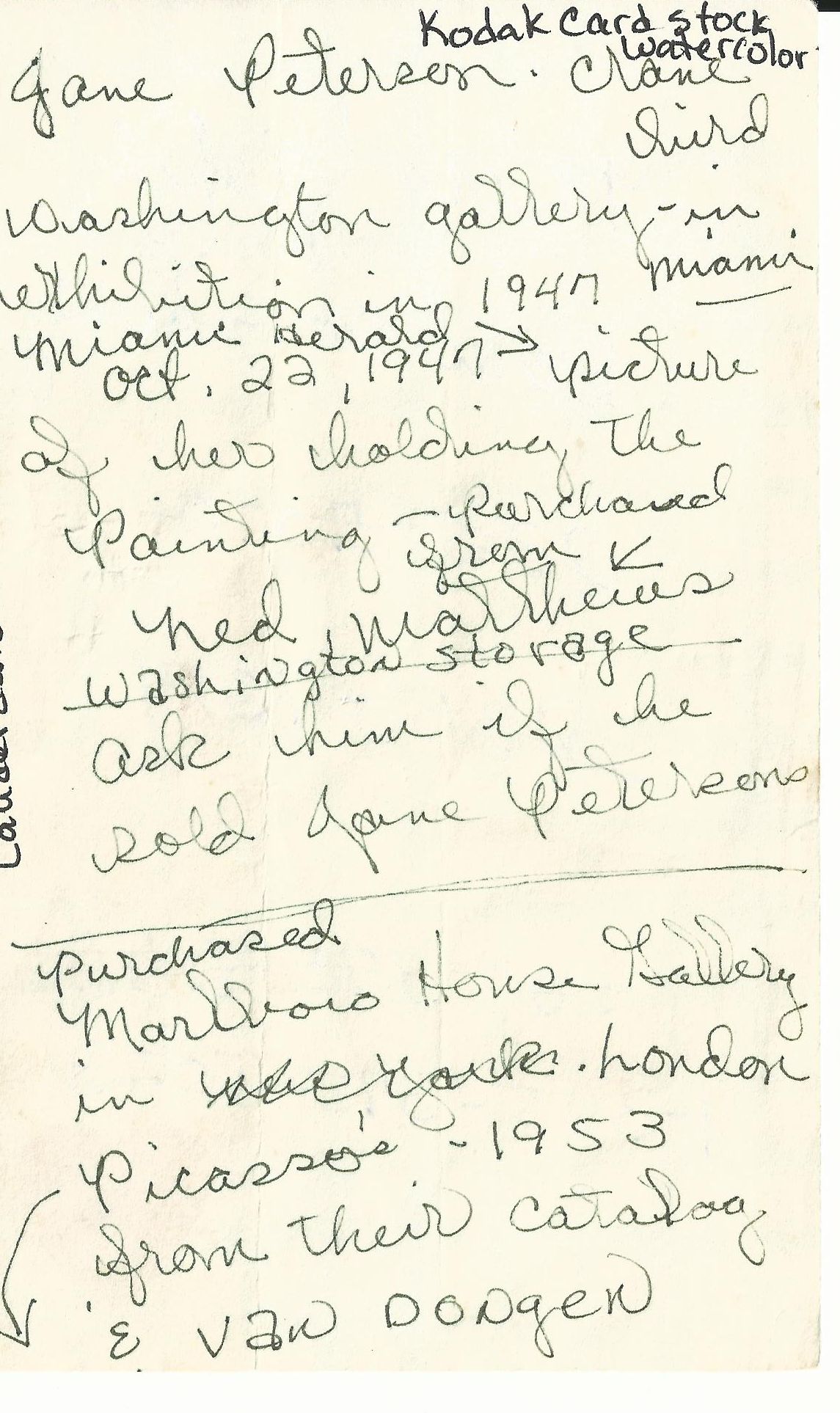
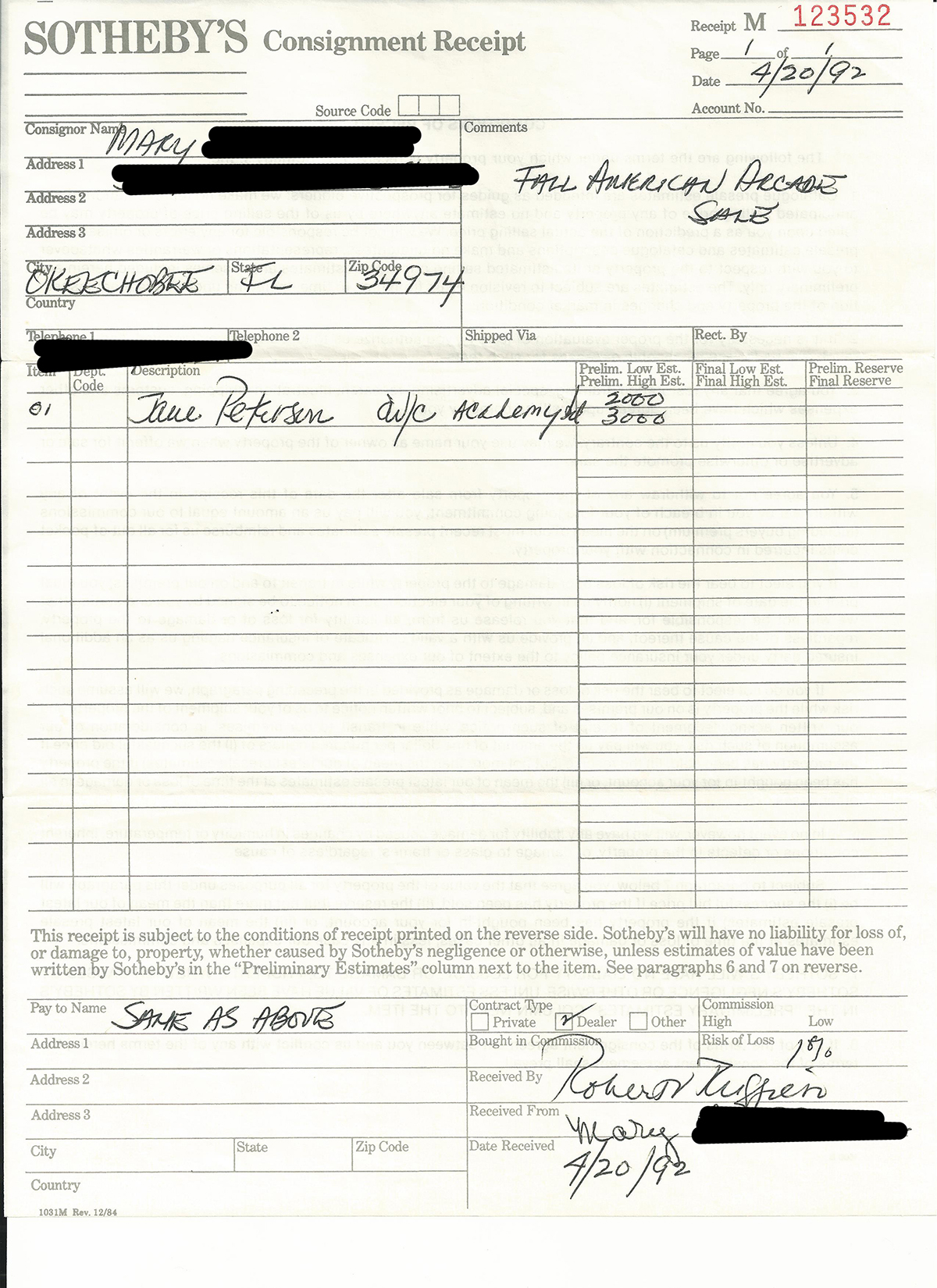
Jane Peterson: 3 paintings. Authentication and provenance supported by Sotheby’s documentation, Kodak paper watermarks, and Washington Storage facility records. [Review Asset Dossier: Peterson]
Kees van Dongen: [Review Asset Dossier: Dongen]
- Camille Bombois: [Review Asset Dossier: Bombois]
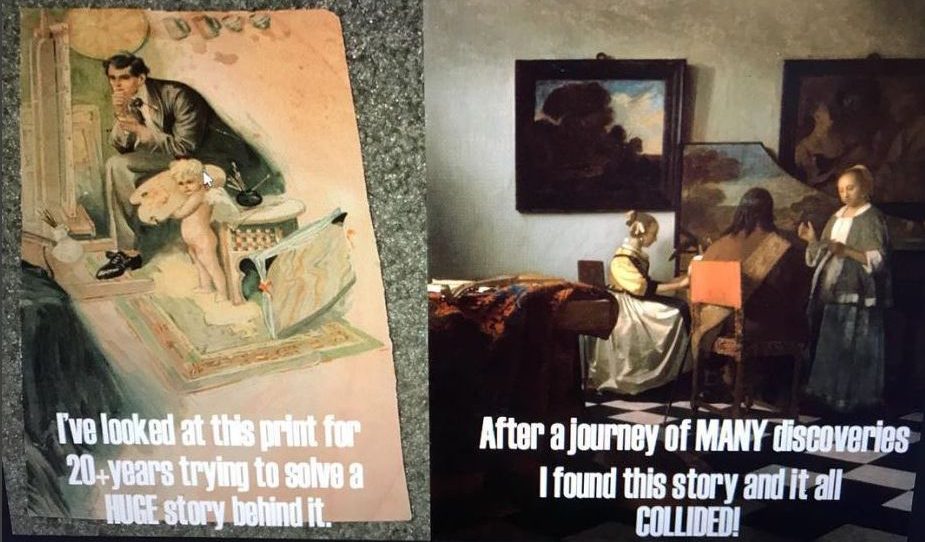
- Jim Cassel Print: Investigatory documentation establishing the Vermeer connection. [Review Asset Dossier: Cassel]
Corroborating Context: Wolfson Train Car environmental and historical documentation. [Exhibit: Original Article]
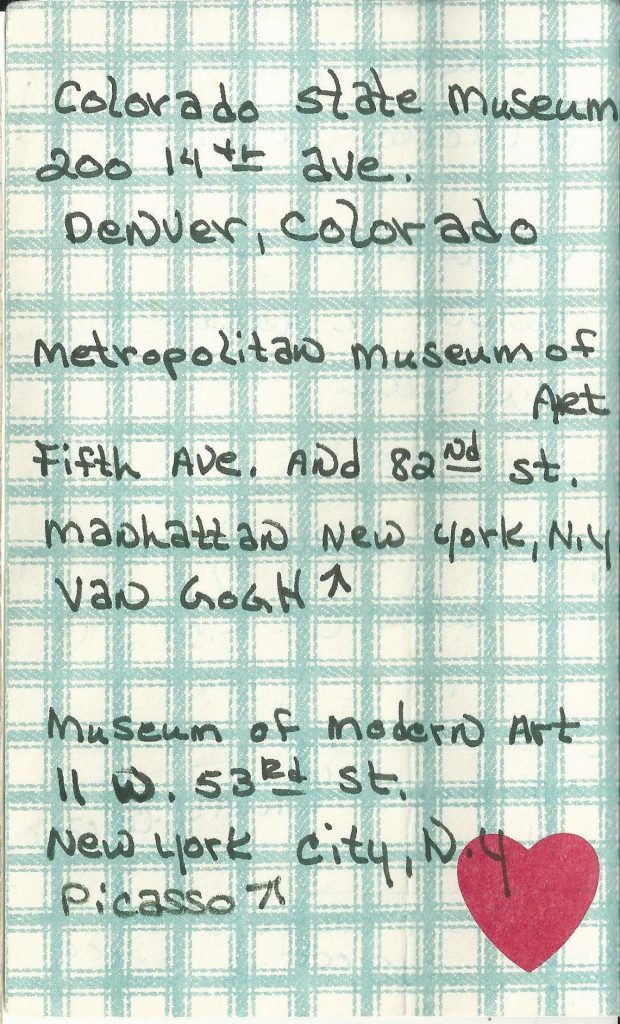
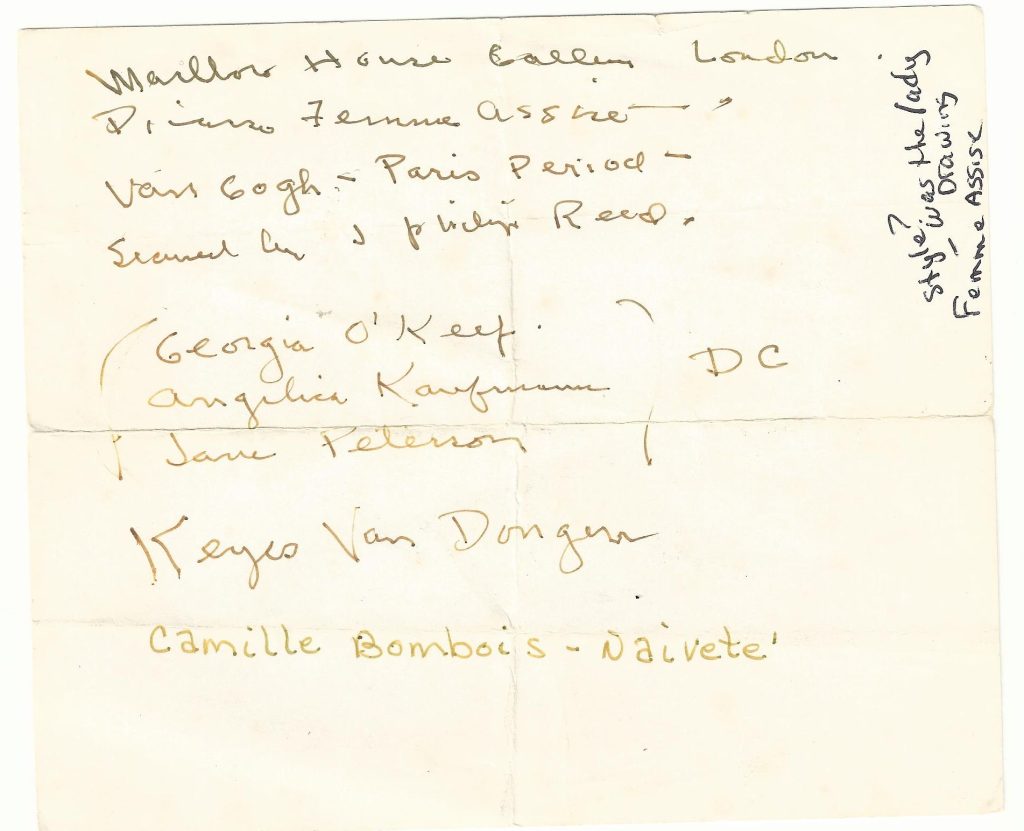
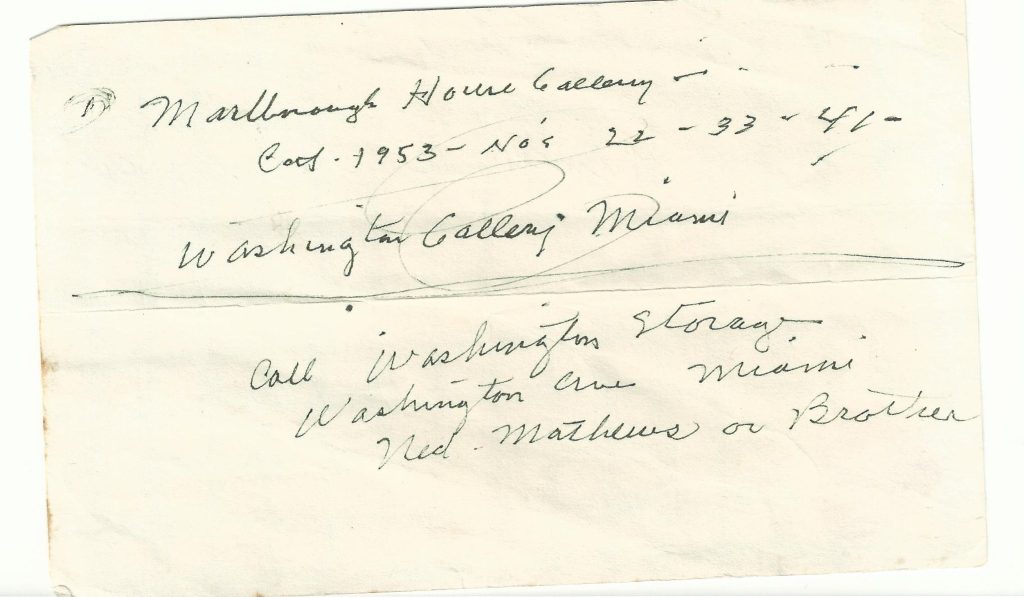
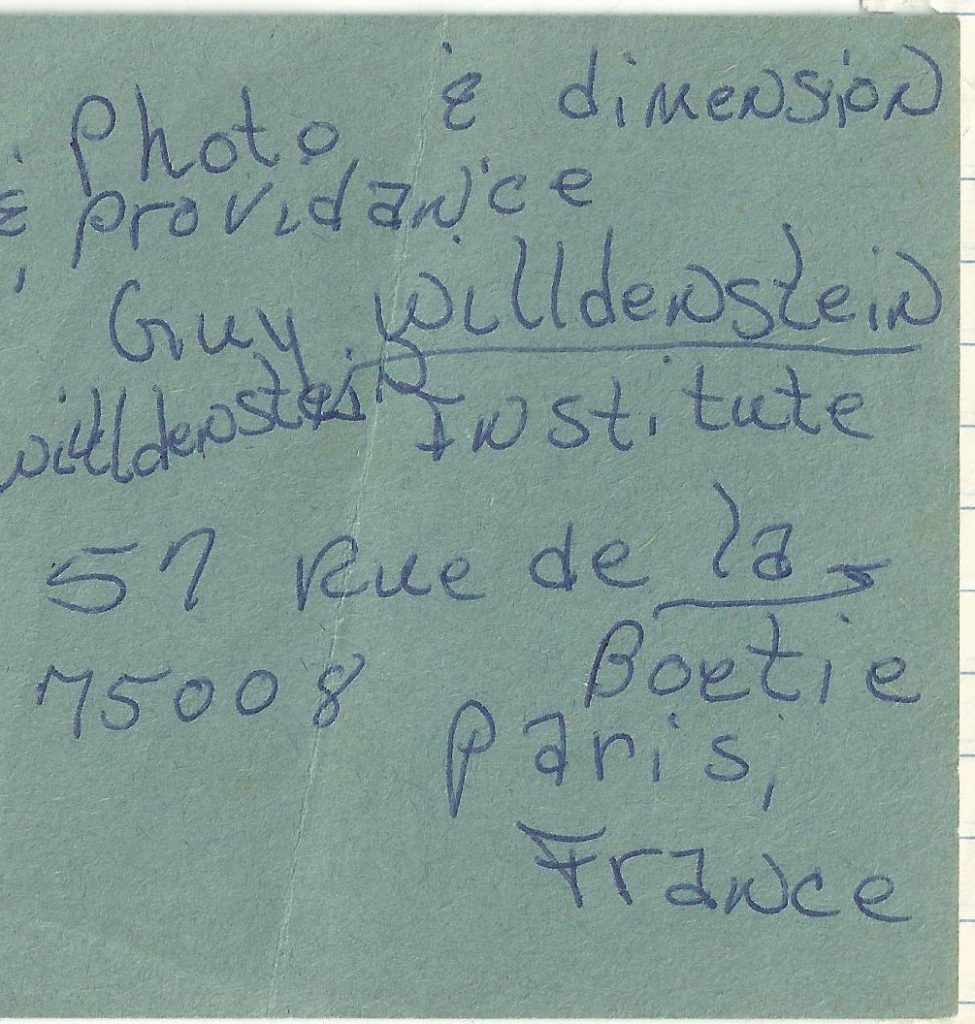
Section 1: Alias Correlation & Institutional Intersections
The “Ed Koch” / Frederick R. Koch Alias: Comprehensive digital and historical cross-referencing definitively collapsing the “Ed Koch” alias into billionaire Frederick R. Koch. [Exhibits 1, 2, 3, 4, and 5]
The Frick Library Intersection: A documented, critical overlap between the physical contemporaneous provenance notes (which explicitly cite the “Frick Library”) and Frederick R. Koch’s verified tenure on the Frick Board of Directors. [Review Source Documentation]
Corporate & Associate Communications: Documented correspondence logs with key network nodes, including direct email archives with associate John Olsen [Exhibit: Associate Communication Intercept] and formal responses from Koch Industries. [Exhibit: Koch Industries Formal Response]
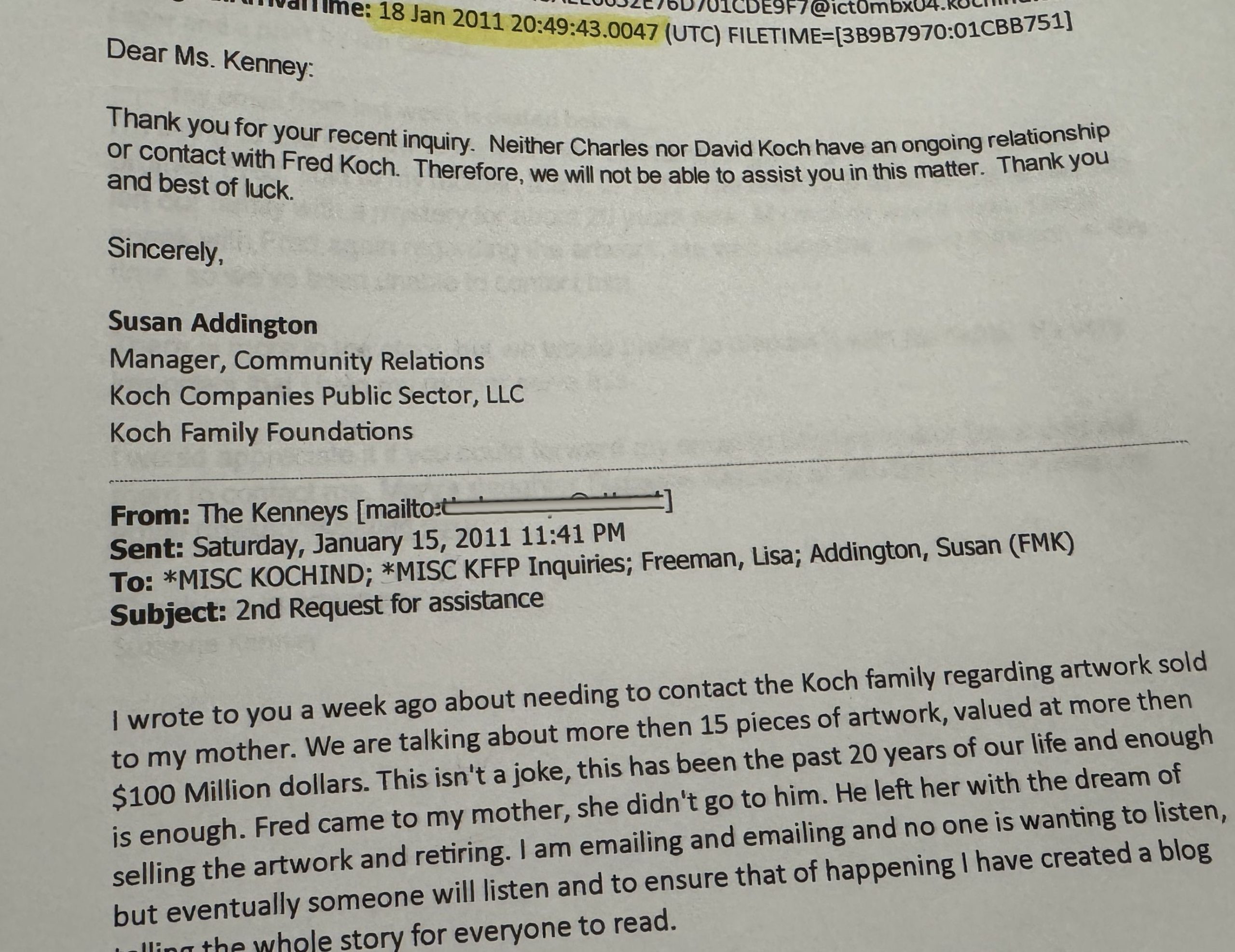
Section 2: Documented Obfuscation & Evasion Tactics
Fabricated Vital Records: Evidence detailing the deployment of staged medical scenarios (“Fake Hospital Scene”) [Review Source Documentation] and fabricated obituaries [Exhibits 1, 2, 3] utilized to obscure location and status.
Geolocated Digital Surveillance: Backend server analytics capturing 60+ highly targeted queries specifically searching “Frederick Koch art fraud.” These queries are geolocated directly to Monaco, a known primary residence of the subject. [Review Source Documentation]
Timeline Anomalies (Miami Museum): The abrupt removal of Ellyn Robinson from a Miami-area museum board exactly 38 days following the passing of Mary Koch (the subject’s mother), indicating coordinated structural distancing. [Review Source Documentation]
Behavioral & Financial Profiling: Documented history of intense familial litigation with his twin brother [Review Source Documentation], verified luxury asset holdings (yachts, Architectural Digest features) [Review Source Documentation], and highly specific behavioral anomalies (e.g., Bohemian Grove documentation) [Review Source Documentation]
Section 3: The Art Loss Register (ALR) Fiduciary Breaches
The London Fire Correlation: Physical damage on the acquired artwork forensically ties to the James Bourlet & Sons art storage warehouse fire. Julian Radcliffe (ALR) formally noted that “known destroyed art has been known to be forged”—yet the recovered portfolio survived. [Review Source Documentation]
Chain of Custody Breach: Julian Radcliffe physically returns the Calder assets to the primary witness via standard mail. [Exhibit: Envelope Photographic Evidence] * Liability Note: If Radcliffe genuinely believed these items were forgeries of “known destroyed artwork,” returning them unescorted via standard mail constitutes a catastrophic breach of investigative protocol and international art recovery standards.
Section 1: Core Forensic Correlation & Digital Obfuscation
The ISGM Master Checklist Correlation: A side-by-side forensic analysis confirming the physical artwork checklist provided during the 1991 acquisition mirrors the exact inventory of the Isabella Stewart Gardner Museum heist. [Review Checklist Comparison]
Active Digital Information Control (Wikipedia): Documented evidence of targeted digital manipulation by associate John Olsen to aggressively monitor and scrub Frederick Koch’s art collection history from public wikis. This constitutes a calculated effort to suppress the specific research vectors identified in the primary witness notes. [Exhibit: Godfrey Barker Article Archive]
Co-Investigator Archival Dossier: Supplemental research, public records, and historical data aggregated by secondary investigator. [Review Suzanne’s Dossier]
Section 2: Institutional Field Operations
The Frick Library Verification (New York): On-site field investigation at the Frick Art Reference Library, successfully locating and verifying the specific historical literature cited in the handwritten 1991 primary witness notes. [Review The Notes’ Connection]
Pattern of Asset Exploitation (Denver/Kanza): Documented historical pattern of illicit artifact acquisition. Evidence includes Department of Indian Artifacts (Denver Museum) records and internal William Koch litigation against Koch Industries regarding the theft of tribal assets (Kanza tribe boat). [Exhibit: Name in Bronze Newsletter]
Section 3: The Miami Operating Network (Corporate Tracing)
Extensive corporate and geographic tracing corroborating the Miami-area locations cited in the contemporaneous provenance notes:
Washington Storage Company: Verified storage facility operated by Ned Mathews. Corroborated directly by primary notes and 12+ historical newspaper clippings tracking the Jane Peterson assets. [Review Exhibit: 1, 2]
Financial & Restoration Vectors: Corporate entity tracking including Art Restoration Corporation (Sunbiz records linking to Van Gogh restoration) [Review Sunbiz Document] and International Art Trading (flagged via documented Sales Tax Warrant). [Review Sales Tax Warrant]
Associated Regional Nodes: Documented institutional and personal overlaps involving the Wolfsonian, the North Miami Museum and Art Center (later MOCA), and Dr. Eric Carlberg. [Exhibit: 1, 2, 3]
Asset Tracing (Jane Peterson Portfolio): Comprehensive archival corroboration confirming the specific regional and facility connections (Miami / Washington Storage) explicitly detailed in the primary witness notes. [Review Archival Newspaper Dossier Exhibits: 1, 2, 3, 4, 5, 6, 7, 8, 9, 10, 11, 12]
Section 1: Institutional Escalation & Formal Notice Logs
-
Verified Network Intersections: Logged access from internal networks belonging to The FBI, Lloyd’s of London, Harvard University, Boston College, Sotheby’s, Christie’s, and Cambridge University. * Significance: This confirms that the most relevant regulatory, academic, and financial entities in the art world are actively reviewing this evidence, contradicting any claims of institutional “unawareness.” [Detailed Institutional Access Logs Available for Regulatory Review]
-
Academic & Trust Notifications: Formal correspondence logs establishing documented, direct awareness of the fiduciary breach at both Harvard University and Boston College. [Review Harvard & BC Notices Available Upon Request]
-
Federal Evidence Distribution: USPS delivery logs confirming the secure transfer of the primary investigative dossier to executive offices. [Exhibit: Certified Delivery Logs]
-
Media Escalation / Demand for Transparency: Active, coordinated public outreach directing investigative journalism networks (e.g., ProPublica) to audit the suppressed evidence. [Review The Demand for Transparency]
Section 2: Heist Forensics & Suspect Profiling
-
The 1994 Extortion Letter: Forensic geographic and jurisdictional correlation. The 1994 anonymous letter sent to the ISGM cited “non-common-law” (which applies to Monaco) and was postmarked in New York. Both vectors directly align with Frederick R. Koch’s verified residencies. [Review 1994 Letter pg1, pg2]
-
Behavioral Profiling (The Disguise Tactics): Cross-referencing the highly specific heist infiltration strategy (theatrical police uniforms) with Frederick R. Koch’s verified academic background in Drama and Playwriting at Yale University.
-
Physical Forensics & Exclusions: Investigative documentation regarding excluded physical evidence, including negative fingerprint matches (proving arrested mafia suspects were not present) and composite police sketch alignments. [Review Physical Forensics & Sketches]
-
The James Bourlet & Sons Fire (1991): The central thermal-damage correlation linking the physical assets acquired in Florida to the London storage disaster. [Review Fire Forensics]
Section 3: Modus Operandi & Parallel Breaches
-
The Woolworth Heist Intersection: Investigative overlap detailing the 51-painting Woolworth theft, cross-referenced with the subject’s property ownership (Woolworth Building) and network connections. [Review Woolworth Evidence 1, 2]
-
Documented Retaliation & Institutional Awareness: Since January 7, 2026, the Museum’s Director of Security, Anthony Amore, has been publicly identified as being linked to the “Heywood Jablowmey” harassment campaign. Internal analytics confirm that both the ISGM and Harvard University have consistently monitored these specific accusations across all platforms (Newsletter/TikTok/Podcast). Despite documented institutional awareness, there has been no formal denial, while active monitoring from their internal networks continues. [Review Harassment Log] [Detailed Access Logs Available for Regulatory Review]
Forensic Chronology: Motive & Mechanism (1980 - Present)
-
1983: Frederick and William Koch settle their lawsuit against brothers Charles and David, securing $1.1 Billion. This provides Frederick R. Koch with unmonitored liquidity to fund offshore and clandestine acquisitions.
-
1984: The Infrastructure Build (Miami). Frederick R. Koch incorporates the financial mechanisms required to launder acquired assets. He becomes VP of “Art Restoration Corp” in Miami. [Review Source Documentation]
-
1986 (Mansion Purchase): Frederick R. Koch purchases the historic Donahue/Woolworth Mansion in Manhattan for $5 million, securing private physical infrastructure for his collections.
-
1986 (Corporate Expansion): He establishes “International Art Trading” in Miami. [Review Source Documentation]
-
The Proof: Corporate documents confirm he was operating under the alias “Ed Koch” in Miami years before the Gardner heist. He did not invent the alias at the Florida flea market in 1991; it was his established corporate shield.
-
-
March 18, 1990: The Isabella Stewart Gardner Museum Heist (Boston).
-
Dec 21, 1990: Mary Robinson Koch (Frederick’s mother) passes away, triggering a cascade of estate and inheritance instability.
-
Sept 24, 1991: Gardner suspect Robert Donati is murdered. [Review Case Background]
-
Oct 7, 1991 (13 Days Later): A massive, suspicious fire destroys the James Bourlet & Sons art storage warehouse in London.[Exhibit: Original Article]
-
Nov 1991: Frederick R. Koch (operating under his established “Ed Koch” alias) surfaces at an Okeechobee, Florida flea market—just 45 minutes from his brother William Koch’s Palm Beach estate. He initiates contact with my mother, transferring a checklist of “damaged” artwork to her. [Review Source Documentation: Handwritten Notes]
-
March 1992: My mother (Mary) initiates authentication with Sotheby’s. Sotheby’s isolates the Jane Peterson piece (on Kodak paper) for auction but flags the broader portfolio. Discrepancies in valuation prompt Mary to await Koch’s return to the flea market for clarification.
-
March 1992: “Ed Koch” abruptly stages his departure via a fabricated hospital scenario and localized obituary. [Review Source Documentation]
-
April 20, 1992: Sotheby’s executes a formal contract with Mary for the Jane Peterson piece. This contract establishes a legally binding paper trail and chronological proof of custody. Sale was September 25, 1992. Didn’t sell at auction, but had an aftersale private offer. My mother declined the offer. [Review Source Documentation]
- 1994: An anonymous letter is sent to the ISGM attempting to negotiate the return of the artwork. The letter demonstrates insider knowledge of the “international art trading” market and is postmarked from New York (where Frederick R. Koch maintains a primary residence). Further coded communication is documented via the Boston Sunday Globe on May 1, 1994. [Exhibit: 1994 Media Communication]
Feb 2002: I formally contacted the Calder Foundation to authenticate drawings acquired from the Florida encounters. My submission explicitly cited the provenance as “Ed Koch” from Okeechobee. This communication formally placed the Koch alias and Florida geographic data onto the institutional art radar. [Exhibit: Calder Foundation Correspondence]
Feb 2002: Two secondary pieces from the flea market portfolio (including a Picasso attribution) are sold via public auction on eBay, establishing a documented digital footprint of the assets. [Exhibit: 2002 Auction Listing]
Nov 2005: Anthony Amore is hired by the ISGM as the Director of Security and Chief Investigator—a position created specifically to recover the stolen art. At the time of his hiring, Amore possessed zero prior art, museum, or relevant criminal investigative experience, establishing a baseline of institutional negligence. [Review Personnel Background]
-
July – Oct 2010: Digital archiving of the acquired portfolio begins. The alias “Ed Koch” is formally identified through photographic and historical cross-referencing as billionaire Frederick R. Koch.
-
2011–2012 (Forensic Server Logs): Backend server analytics capture 60+ targeted queries originating from Monaco (a known residence of Frederick R. Koch). These queries specifically search terms including “Frederick Koch art fraud.” [Exhibit: Geolocation Analytics]
-
Jan – Oct 2011 (The Art Loss Register Engagement): I initiate contact with Lloyds of London regarding the London warehouse fire. Julian Radcliffe (Founder, Art Loss Register) engages within 24 hours. Physical assets are transferred to Radcliffe for review. He later dismisses the assets and returns them via standard mail.
-
Liability Note: If these items were deemed documented forgeries or stolen goods, their unescorted return via mail constitutes a severe breach of investigative protocol and a failure by the ALR to secure evidence. [Review ALR Correspondence]
-
-
2011 (Provenance Escalation): I formally resubmit the acquired assets to the Calder Foundation. This updated submission introduces newly recovered, contemporaneous provenance notes explicitly citing the “Hokin Gallery” (Palm Beach) and “Mrs. Clifford” (household staff). [Exhibit: Contemporaneous Provenance Documentation] Concurrently, photographic and historical cross-referencing definitively breaks the “Ed Koch” alias, identifying the subject as billionaire Frederick R. Koch. [Physical Record of 2011 Application Retained in Archive]
-
Feb 10, 2012: The FBI executes a highly publicized raid on the residence of Robert Gentile, discovering a handwritten “list” of the stolen Gardner artwork. [Exhibit: Public Record of Gentile Raid] * The Conflict: Despite the discovery of the Gentile list, the FBI and ISGM continue to ignore the physical checklist and provenance notes (Hokin/Clifford) provided by Mary and Suzanne, which link the assets to living suspects with significant financial resources.
-
Feb 11, 2012: I formally brief Robert Wittman (Founder, FBI Art Crime Team) in person. I provide him with the primary source identification photo of Frederick R. Koch, linking the billionaire directly to the Florida encounters. [Review Source Documentation]
-
April 2012: I formally engage Speckin Forensics to conduct independent material analysis on the physical artwork, establishing a documented financial paper trail of my efforts to authenticate the assets. Despite accepting payment, the firm permanently withholds the final forensic report (citing anomalous “storage issues”) and ceases all communication. This constitutes unexplained professional obstruction of a material asset investigation. [Exhibit: Speckin Forensics Payment Record]
-
June 2012 (Forensic Correlation): Following a public broadcast regarding the Gardner Heist details, I conducted a side-by-side comparison between the ISGM master list of stolen assets and the physical “checklist” transferred by Frederick R. Koch in 1991. The lists provided a 1:1 correlation. This confirmed the Koch portfolio as the missing Gardner assets and established the definitive solution to the 1990 heist. [Review Extended Investigative Archive: March 1990 Heist]
-
2012–2013 (Investigative Diversion): While my documented, forensically supported leads regarding the Koch family are ignored, the FBI executes highly publicized, fruitless raids on the property of local mobster Robert Gentile.
-
March 18, 2013: The FBI holds a press conference announcing they have “solved” the ISGM heist but refuse to name the suspects, claiming they are deceased. This narrative effectively closes the public investigation while shielding the living suspects explicitly named in my reports.
-
2011 & 2015: ISGM Security Director Anthony Amore publishes Stealing Rembrandt (2011) and The Art of the Con (2015). These publications serve to construct a public “Persona” as a definitive authority on art heists and forgeries, a stark contrast to his failure to investigate the physical evidence and digital logs placed directly in front of him.
March 2018 (Formal Distribution of Evidence): Comprehensive evidence binders detailing the Koch/ISGM connection are formally dispatched via tracked delivery to major media networks and federal entities. Certified delivery receipts confirm successful intake of these dossiers. [Exhibit: 2018 Certified Delivery Logs]
March 20, 2018: Coinciding with the delivery of the evidence dossiers to national media, ISGM Security Director Anthony Amore formally announces a political campaign for Massachusetts Secretary of the Commonwealth, directing his focus toward public office rather than the stalled ISGM investigation.
2019 – 2020 (The Suspect Mortality Window): David Koch (August 2019) and Frederick R. Koch (February 2020) pass away. The primary subjects of the 1991 Okeechobee encounters are now deceased. With the primary architects off the board, legal and reputational liability officially shifts to the surviving enablers, institutional gatekeepers, and remaining witnesses (William Koch, John Olsen, and ISGM security leadership).
Nov 10, 2020: Anthony Amore publishes The Woman Who Stole Vermeer. This marks his third commercial publication focused on art heists, further monetizing his institutional position and establishing a lucrative personal brand while the physical ISGM evidence provided to him remains deliberately ignored.
-
Feb – Oct 2022 (Public Documentation Phase): I author and officially publish Crime & Canvas. The objective is to initiate a public “audit” of the forensic evidence and timelines that institutional gatekeepers have actively suppressed for decades. [Exhibit: Crime & Canvas Publication]
-
March 3, 2022: ISGM Security Director Anthony Amore announces a political campaign for State Auditor of Massachusetts. The irony of seeking a state role defined by “oversight and accountability” while actively burying the solution to the Commonwealth’s largest property crime is officially entered into the public record.
-
May 27, 2025 (Public Escalation): I launch the Crime And Canvas Podcast and a formal Change.org petition, effectively centralizing the evidence and mobilizing public demand for an uncompromised investigation. [Exhibit: Active Petition]
-
May 28, 2025 (Geolocated Cyber-Harassment): Following the launch of the petition, an explicitly harassing, bad-faith signature is logged under the alias “Heywood Jablomey.”
-
The Geolocation Threat: Digital footprints log the origin of this harassment to Mattapoisett, Massachusetts—the specific geographical residence of ISGM Security Director Anthony Amore. This elevates the situation from institutional negligence to a documented pattern of executive cyber-harassment and targeted retaliation. [Exhibit: Mattapoisett Geolocation Logs]
-
-
August 2025 (Physical Escalation): A documented physical vehicle incident occurs. In the context of the geolocated cyber-harassment, this event marks a highly concerning transition from digital intimidation to physical-world surveillance/escalation. [Exhibit: Physical Incident Documentation]
-
Nov 4, 2025: Anthony Amore publishes The Rembrandt Heist. This represents a continued strategy of commercial deflection—monetizing the history of art crime while actively ignoring, and allegedly retaliating against, the individual providing the physical solution to his own museum’s case.
-
Dec 1, 2025 (Formal Fiduciary Trigger): A formal Legal Inquiry is dispatched citing Breach of Fiduciary Duty. The notice establishes a clear legal doctrine: If the ISGM Board is actively suppressing forensic evidence to protect the reputations of deceased billionaire donors, they are violating the core mandate of the Isabella Stewart Gardner Trust. Under the terms of the will, such a violation triggers the forfeiture of the museum and its assets to Harvard University. [Review Formal Legal Inquiry]
According to the AI, gemini and Grok, no one can make this up—the intricate web of evidence, defies fabrication.
Harvard Attorneys & AG of Massachusetts received the info below 12/1/25
[Institutional Tracking & Proof of Service Available for Regulatory Review Upon Request]
I am writing to you directly because I possess evidence indicating a severe breach of fiduciary duty and potential criminal conspiracy by the Board of Trustees of the Isabella Stewart Gardner Museum. These actions, which relate to the 1990 Museum Art Heist, may trigger the immediate transfer of the Museum’s assets and endowment to Harvard University under the irrevocable terms of Isabella Stewart Gardner’s will.
My investigation stems from my mother’s first-hand art encounters in 1992 and my evidence points to a coordinated plan to violate the Trust’s terms by orchestrating a clandestine sale (a “commissioned heist”) and subsequent cover-up secured through financial manipulation.
Key Evidence of Breach and Complicity:
- The Orchestrator: The alleged mastermind is identified as Frederick R. Koch (deceased, Harvard/Yale alumnus), a billionaire collector whose motive was acquisition, driven by the legal impossibility of buying the art due to the Trust’s strict anti-sale stipulations.
- The Cover-Up and Payoff: The Museum Board is allegedly complicit in concealing this crime to protect the institution’s current governance and assets.
- Proof of Complicity (Retaliation): I have documented evidence of highly unprofessional and retaliatory harassment (“Heywood Jablomey in Mattapoisett, MA,” a vile signature from the museum’s locality) directed at me immediately after I publicly demanded transparency from the Museum regarding any Koch family donations via a public Change.org petition. This direct, hostile response strongly suggests a secret financial arrangement is being protected, proving the Board’s actions violate the Trust’s core stipulations.
- The Fiduciary Risk: The Board’s alleged complicity in perpetuating this lie represents a severe failure of its fiduciary duty—specifically, the duty to act in the Museum’s best interest, which includes acting to recover stolen assets and upholding the integrity of the Trust. This failure should, by the terms of the will, result in the forfeiture of the entire Trust and its assets to Harvard University.
I request immediate contact with the appropriate legal counsel at the Office of the General Counsel to present this evidence for evaluation. I have meticulously documented the full narrative, including physical evidence, digital logs, and correspondence with relevant authorities.